Is Cheer a Sport? All Information About Cheer
When you think of cheerleading, you might imagine energetic routines and enthusiastic shouts of support for a sports team. However, cheerleading is much more than just an accessory to sports events. Is cheer a sport? The answer is an unequivocal yes.
Cheerleading has evolved into a highly demanding sport that combines elements of gymnastics, dance, acrobatics, and athleticism. It requires intense physical training, strategic teamwork, and precise execution to perform complex stunts and routines.
In this article, we’ll explore why cheerleading is officially recognized as a sport, the physical and mental demands it places on athletes, who can participate, the requirements to become a cheerleader, and more. By the end, you’ll understand why cheerleading deserves its place as a serious athletic pursuit.
What is Cheerleading?
Cheerleading originated in the late 19th century as a way to motivate crowds at sports events. Today, it has transformed into a competitive sport with multiple disciplines, ranging from sideline cheerleading at games to competitive cheerleading that involves high-level stunts, tumbling, and choreography.
Cheerleaders are athletes who perform routines that combine dance, gymnastics, and stunting. These routines are performed during sporting events to boost crowd morale, but competitive cheerleading also has its own set of contests and tournaments, such as the World Cheerleading Championships. This transformation into a sport has made cheerleading more recognized and respected than ever before.
Is Cheer a Sport? The Athleticism Behind Cheerleading
The question “is cheer a sport?” has been widely debated, but it’s clear that cheerleading has earned its place in the sports world. A sport, by definition, requires physical exertion, skill, and the ability to compete. Cheerleading fulfills all these criteria.
Physical Demands of Cheerleading
Cheerleading is physically intense. Cheerleaders train their bodies to perform high-impact stunts, gymnastics, and dances that require a unique combination of strength, flexibility, and endurance.
Cheerleaders must be agile, quick, and have excellent coordination to execute flawless routines. Physical fitness is paramount, and it’s not just about looking good in a uniform — it’s about building muscle, endurance, and skills that can be applied in competitive situations.
- Strength: Cheerleaders need strong muscles for stunts where they lift, support, and balance their teammates.
- Flexibility: Flexibility is important for executing tumbling routines and stunts.
- Endurance: Cheerleaders often perform routines that can last several minutes, requiring stamina and conditioning.
Who Can Do Cheerleading?
Cheerleading is for anyone willing to work hard and dedicate time to improve their skills. While cheerleading has traditionally had more female participants, it’s important to note that male cheerleaders have been gaining recognition in recent years.
Cheerleading isn’t just for students; there are also opportunities for adults to participate in both competitive and professional cheer teams.
Anyone with a passion for performance and a desire to improve their physical fitness can become a cheerleader, regardless of their age or gender. In fact, many professional cheerleading teams now have male cheerleaders, and some highly skilled male cheerleaders have gained a significant following.
The inclusivity of cheerleading means anyone can get involved as long as they meet the necessary physical and technical requirements.
What Are the Requirements to Become a Cheerleader?
Becoming a cheerleader involves meeting certain physical, mental, and emotional requirements. Here’s what you need to know:
Physical Requirements
Cheerleaders must be in excellent physical shape. The physical demands of cheerleading, which include high-energy routines, lifts, and tumbling, require strength and endurance. Cheerleaders are trained in gymnastics and acrobatics, as these skills are a huge part of most cheerleading routines.
Technical Skills
Cheerleading involves tumbling, stunting, and dancing. Tumbling skills such as flips, cartwheels, and handsprings are key to most cheerleading routines. Stunt skills require cheerleaders to lift, toss, or catch other cheerleaders. Additionally, dance routines often include sharp, synchronized movements to add flair and excitement to the performance.
Teamwork and Communication
While individual talent is important, cheerleading is a team sport. Effective communication and teamwork are essential, as cheerleaders must work together to perform complex routines that require perfect synchronization.
Positive Attitude and Energy
Cheerleading requires more than just technical skill — it requires a lot of energy and enthusiasm. Cheerleaders are expected to be the motivating force behind the crowd, and they must maintain a positive attitude, even in challenging situations.
Salary Packages for Cheerleaders
The salary of a cheerleader varies significantly depending on the level of competition and type of performance. Here’s an overview of what cheerleaders can expect to earn in USD:
| Position | Salary Range (Monthly) | Salary Range (Annually) |
| High School Cheerleader | $150 – $300 | $1,800 – $3,600 |
| College Cheerleader | $300 – $500 | $3,600 – $6,000 |
| Professional Cheerleader (NFL, NBA) | $500 – $1,000 | $6,000 – $12,000 |
| Competitive Cheerleader | $400 – $700 | $4,800 – $8,400 |
(Note: These figures are approximations and may differ based on experience, location, and team.)
How to Cheer: A Step-by-Step Guide
Here’s a simple guide to get started with cheerleading:
Warm-Up
Warming up before cheerleading is essential to prevent injuries. Stretching and strengthening exercises help prepare your muscles for the intense physical activity involved in cheerleading.
Tumbling Practice
Start with basic gymnastic skills, like cartwheels, handstands, and back flips. These skills are often essential in cheerleading routines.
Stunt Training
Learn the proper techniques for lifting, catching, and balancing your teammates. Stunts are a core component of most cheerleading routines.
Cheer Choreography
Work on learning cheers and choreographed routines. This includes memorizing chants, dancing, and keeping in sync with your team.
Teamwork
Effective teamwork is crucial. A cheerleading squad works together to perform routines and stunts seamlessly. Practice communication and synchronization with teammates.
Cheerleading Signs and Vocabulary
Cheerleading has its own unique vocabulary that is used to motivate the crowd and perform routines effectively. Here are a few examples:
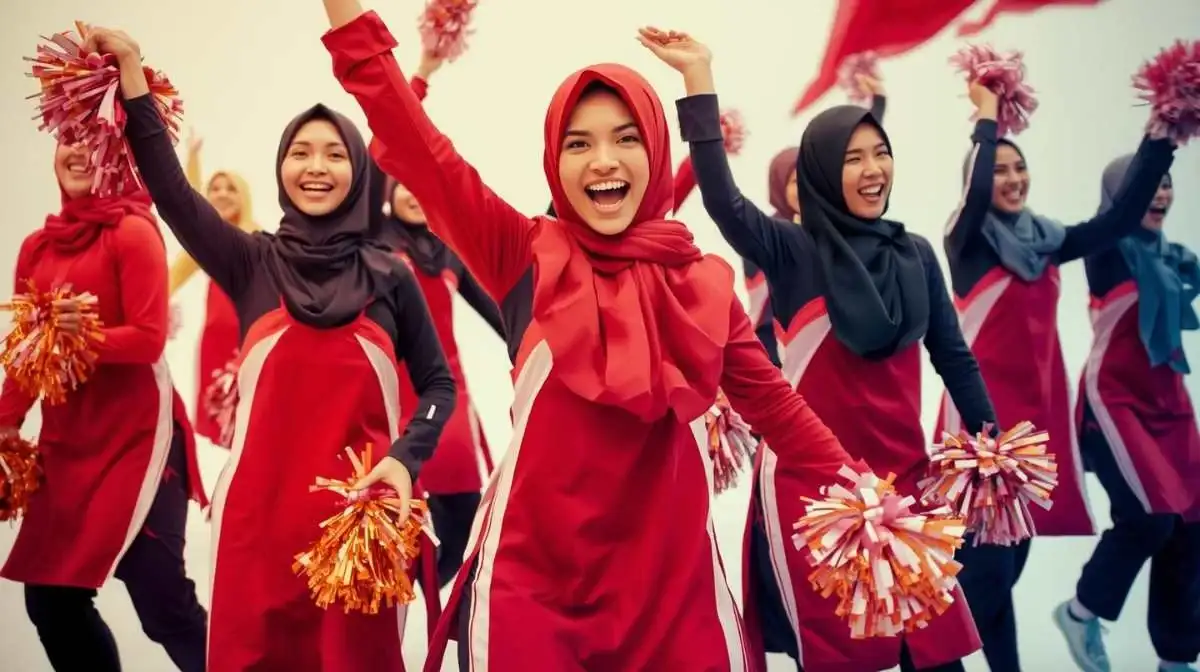
- Pom Poms: Used during cheers to add excitement.
- Choreographed Hand Gestures: For example, “high V” or “low V,” these movements help amplify the energy of the routine.
- Chants: Short, rhythmic phrases that cheerleaders use to encourage the crowd.
Safety in Cheerleading
As with any sport, safety is a top priority in cheerleading. Cheerleading involves high-risk stunts, and it is essential to practice safe techniques to minimize the risk of injury.
Spotting Techniques
Spotting is the practice of having one or more teammates support a cheerleader during stunts to prevent falls and injuries.
Protective Gear
Cheerleaders often wear supportive shoes, knee pads, and other safety gear to prevent injuries during stunts and tumbling.
Proper Training
Cheerleaders receive extensive training to learn how to perform stunts and routines safely. This includes proper lifting techniques, gymnastic skills, and the use of safety mats when practicing.
Scope of Cheerleading
The scope of cheerleading has grown significantly over the years, evolving from a sideline activity to a highly competitive sport. Today, cheerleading offers opportunities in high school, college, professional sports teams, and global competitions. With increased recognition and professional leagues, it provides career prospects in coaching, choreography, and even sponsorships.
Types of Cheerleading Competitions
Cheerleading is also a competitive sport with various levels of competition:
School Cheerleading
Typically performed at school sporting events to encourage the home team. This form of cheerleading focuses more on school spirit and crowd engagement.
Competitive Cheerleading
Involves teams competing in cheerleading events to showcase their routines. These competitions are judged on difficulty, execution, and creativity.
All-Star Cheerleading
Professional cheerleading teams that compete exclusively in cheerleading competitions, separate from sports events. These teams train year-round to compete at high levels.
Cheerleading in Different Sports
Cheerleading exists in various forms across many sports. It is often integrated into major events like football, basketball, and even martial arts. Here’s how cheerleading appears in different sports:
| Sport | Role of Cheerleading |
| Football | Cheerleaders perform sidelines stunts and encourage the crowd. |
| Basketball | Cheerleaders pump up the crowd during breaks and halftime. |
| Baseball | Cheerleading routines energize the crowd and team during long games. |
| Ice Hockey | Cheerleaders provide high-energy performances during intermissions. |
| Volleyball | Cheerleaders cheer and support their team during key matches. |
Conclusion
Is cheer a sport? The answer is yes! Cheerleading requires a combination of strength, agility, teamwork, and performance skills, all of which are the hallmarks of any sport.
Whether it’s at a school game, a national competition, or a professional event, cheerleaders are athletes who must train hard and work together to execute challenging routines.
Cheerleading is a sport that combines physical fitness with creativity and team spirit, making it both fun and highly demanding. If you’re looking to get involved, it’s a sport that welcomes anyone with enthusiasm and a desire to improve their skills.