Seasonal Maintenance Guide for Mold Temperature Controller Adapting to High & Low Ambient Temperatures
Ambient temperature swings quietly undermine process stability in injection molding plants. At Topstar, as Product Manager for advanced molding equipment, I have seen otherwise reliable systems drift out of specification when summer heat or winter cold stresses the thermal control loop.
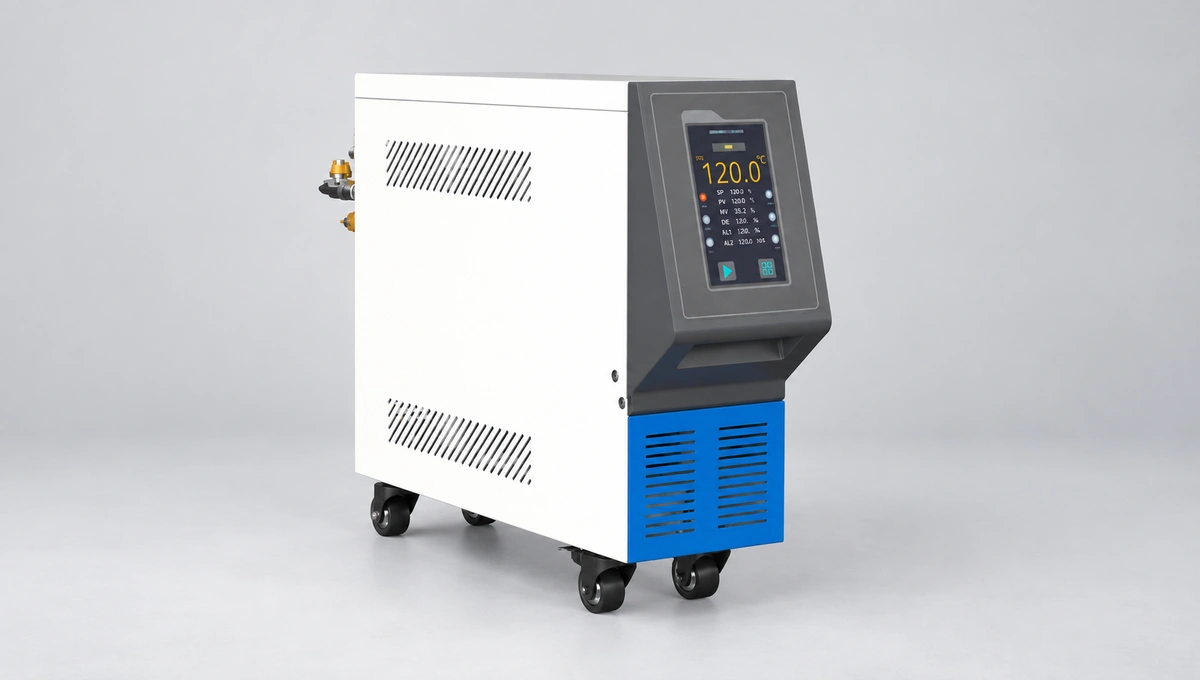
A well-executed seasonal maintenance program for the Mold Temperature Controller prevents these shifts, protects part quality, and keeps injection molding machines running at peak efficiency year-round.
Understanding Ambient Temperature Effects on Mold Temperature Controller Performance
Understanding ambient temperature effects begins with recognizing how external conditions influence the entire thermal circuit. In high ambient environments, the Mold Temperature Controller must reject heat against a smaller temperature differential, reducing cooling capacity and raising the risk of overheating or inability to hold low set-points.
In cold conditions, fluid viscosity increases, pump efficiency drops, and warm-up times lengthen, delaying the start of stable production on the molding machine.
Topstar’s field measurements show that unadjusted controllers can experience set-point deviations of several degrees when ambient temperatures move outside the original design range.
These deviations appear as dimensional drift, surface defects, or extended cycle times. Seasonal awareness therefore forms the foundation of effective maintenance for every Mold Temperature Controller.
Pre-Summer Inspection and Cooling Capacity Verification for the Mold Temperature Controller
Pre-summer inspection and cooling capacity verification prepare the Mold Temperature Controller for elevated ambient temperatures. Begin by cleaning or replacing filters and strainers to ensure unrestricted flow.
Inspect heat exchangers for fouling or scale that would further reduce heat-rejection capacity when external temperatures rise. Verify that cooling-water supply temperature and flow meet the controller’s requirements under worst-case summer conditions.
Topstar recommends measuring actual cooling performance against the original specifications of the Mold Temperature Controller. If the unit operates near its limit during spring testing, address capacity shortfalls before peak heat arrives.
Confirm that fans, ventilation paths, and cabinet filters are clear so that the controller itself does not overheat. These steps protect both the Mold Temperature Controller and the injection molding machines it serves.
Fluid Condition and Circuit Maintenance for Seasonal Mold Temperature Controller Reliability
Fluid condition and circuit maintenance directly affect heat-transfer efficiency in any season. Contaminated or degraded heat-transfer fluid reduces capacity and can accelerate wear on pumps and seals within the Mold Temperature Controller. Before both summer and winter, sample the fluid for contamination, acidity, and additive depletion, then filter or replace it according to the manufacturer’s guidelines.
Inspect all hoses, fittings, and manifolds for leaks, softening, or internal collapse that could restrict flow. Topstar advises pressure-testing circuits and confirming that flow rates to each mold zone remain balanced. Air trapped in the system becomes especially problematic during temperature extremes; thorough bleeding ensures the Mold Temperature Controller delivers consistent performance to the mold.
Sensor Accuracy and Control Calibration of the Mold Temperature Controller Across Seasons
Sensor accuracy and control calibration keep the Mold Temperature Controller honest when ambient conditions change. Temperature sensors can drift over time, and the error often becomes noticeable only when the system is stressed by extreme heat or cold. Before each season, compare mold-surface and fluid-temperature readings against a calibrated reference instrument and apply offsets or replace sensors as needed.
Review PID settings and control response to ensure the Mold Temperature Controller still reacts appropriately under the new ambient load. A loop that performed well in mild weather may overshoot or respond sluggishly when the temperature differential changes. Topstar technicians frequently retune control parameters during seasonal transitions to maintain tight, stable regulation for the injection molding machine.
Winter Preparation and Warm-Up Optimization for the Mold Temperature Controller
Winter preparation and warm-up optimization address the specific challenges of low ambient temperatures. Cold fluid increases viscosity, slows flow, and lengthens the time required for the Mold Temperature Controller to bring a mold to operating temperature. Verify that heaters and pumps can reach the set point within acceptable time limits under cold-start conditions. Consider insulated piping or localized heating for exposed lines if ambient temperatures fall extremely low.
Topstar recommends documenting warm-up curves for critical molds in winter conditions and adjusting pre-heating schedules accordingly. Ensure that the Mold Temperature Controller cabinet and electrical components remain above minimum operating temperatures. These measures reduce the risk of delayed starts and early-cycle variation on the molding machine.
Maintaining Thermal Stability Through Every Season
Seasonal ambient temperature changes place real demands on every Mold Temperature Controller. Through systematic pre-summer cooling verification, fluid and circuit maintenance, sensor calibration, winter warm-up optimization, continuous monitoring, and a sustainable program structure, manufacturers can keep thermal performance stable year-round. The injection molding machines then operate inside consistent process windows, protecting qu