

Reliable Costing Solutions That Strengthen Project Profitability
In today’s aggressive creation and development environment, achievement is not best described through the speed of work completion.
It is increasingly measured by how effectively fees are planned and managed from the outset.
Even small miscalculations can lead to large budget overruns and reduced profitability.
This is why modern contractors and builders are approaching grounded sealing design planning processes.
Reliable structures not only reduce danger but also ensure long-term financial stability and business fulfillment.
Accurate budgeting is the backbone of every Hit Creation Challenge, and without it, even perfectly designed works can struggle financially. Many companies now rely on gear professional guidelines based on production estimating services to get a clearer picture of fabric, labor, and overhead costs before production begins.
When tariff creation programs are nicely managed, it is easier to maintain control over each piece of reform to stay away from monetary surprises.
- It helps in developing realistic and statistical budgets
- Reduces the risk of surprise price increases
- Improves election creation for a period of time at the early business stage
Building Strong Financial Foundations in Project Planning
Modern creation projects rely closely on information-driven planning to improve accuracy and reduce financial risk. By analyzing beyond challenging information, market characteristics, and real-time overall performance statistics, teams could make more informed payment decisions before and after execution.
| Cost Component | Description | Estimated Cost | Percentage Allocation | Priority Level |
| Structural Frame | Main building structure | $\$82,000$ | $44.8\%$ | Very High |
| Foundation Work | Concrete, steel reinforcement | $\$48,000$ | $26.2\%$ | Very High |
| Labor Cost | Skilled + unskilled workforce | $\$33,000$ | $18.0\%$ | High |
| Site Preparation | Land clearing & leveling | $\$14,000$ | $7.7\%$ | High |
| Permits & Approvals | Legal documentation | $\$6,000$ | $3.3\%$ | Medium |
| Total Project Budget | Initial Phase Capital Requirement | $\$183,000$ | $100.0\%$ | — |
Table 1.0: This table highlights the initial cost breakdown required before starting a construction project. It helps ensure proper budgeting so the project does not face financial surprises later.
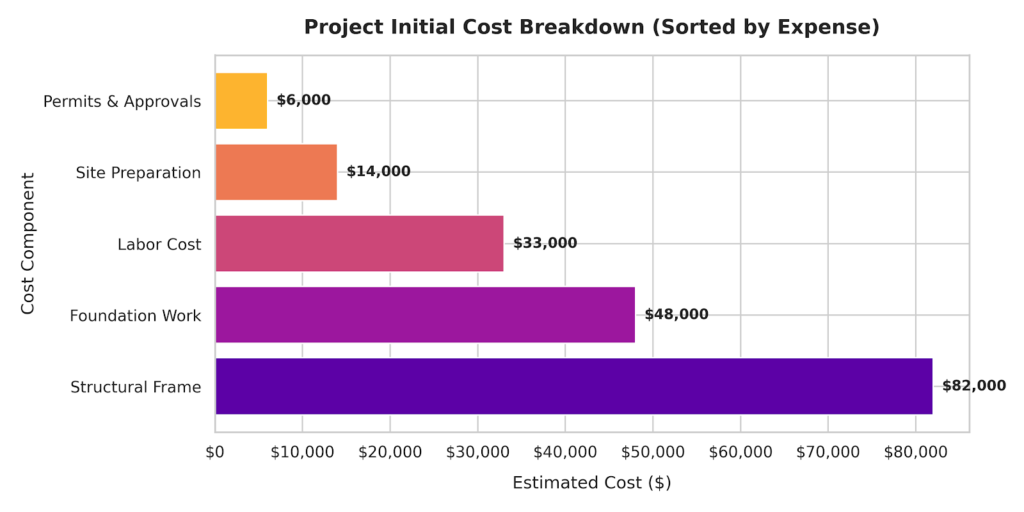
Fig: Project initial cost breakdown
This process can pick out capacity price gap repairs earlier, allowing contractors to regulate preferred strategies to respond to issues that later take place due to resource constraints.
Increasing accuracy through early design synchronization
One of the most commonly omitted elements of the value demo is the initial configuration adjustment. When architects, engineers, and planners collaborate from the outset, it is easier to identify capacity cost constraints before fundamental problems develop. This proactive approach dramatically improves mission outcomes.
Digital visualization and documentation tools play an important role in improving the coordination of many existing workflows.
- Strengthens collaboration between design and execution groups
- Reduces rebuild due to configuration mismatch
- Improves Business Area Definition Clarity
Improve Project Visibility and Technical Accuracy
Clear visualization of structural and technical issues is critical for proper budget planning and execution. Tools and documentation processes that include CAD drafting services translate teams’ conceptual designs into detailed technical drawings to create manuals with accuracy.
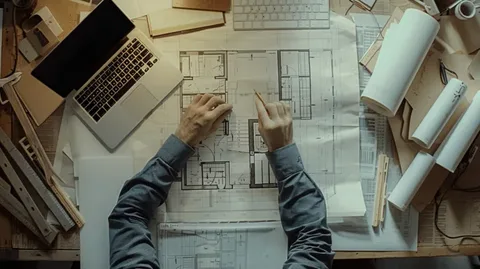
When the drawings are specific and neatly aligned with the engineering requirements, cost estimates become an additional reliable and predictable measure.
- Increases the accuracy of technical documentation
- Reduces misinterpretations sometimes in the production layer
- Supports Excellent Spaceflight and Materials Planning
Strengthening compliance through data-driven planning methods
Modern construction projects provide a wealth of information, and effective use of these records can significantly increase cost performance. Teams can make smarter economic decisions by analyzing legacy company data and modern market characteristics.
Data-driven design plans allow stakeholders to show real-time trends and regulate strategies at optimal times.
- Enables better forecasting of business costs
- Improves transparency at all levels of the business
- Supports proactive crisis management strategies
Optimizing Complex Systems in Large Projects
Large manufacturing operations often have more than one technical system working together, including mechanical, electrical, and plumbing systems. Coordination across all of these systems is critical to preventing costly conflicts and delays. Many companies rely on MEP Estimating Companies to ensure that these interconnected transactions are funded appropriately and efficiently.
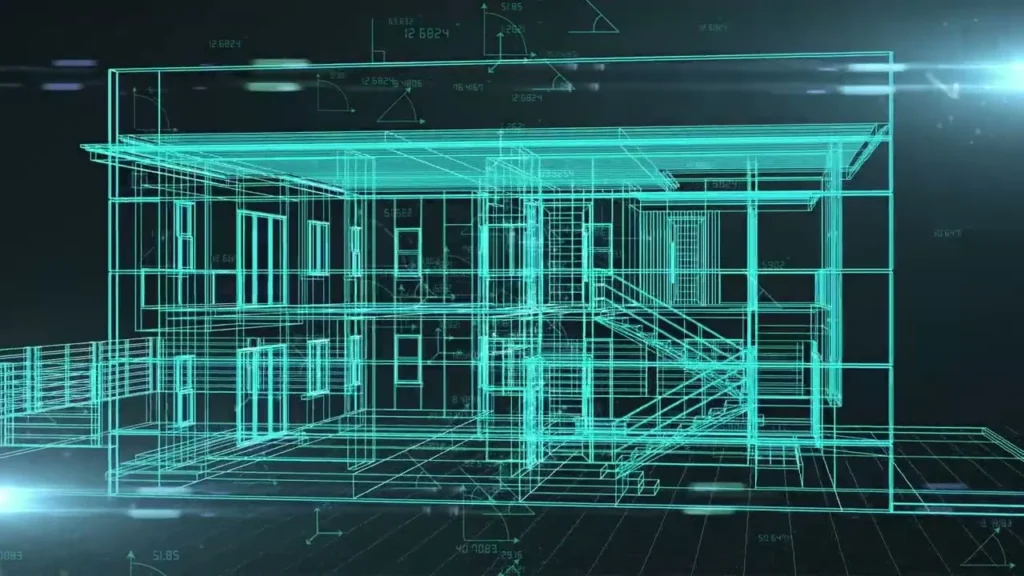
Appropriate integration at this level helps maintain monetary operational stability at all stages of the company’s life cycle.
- Ensures smooth synchronization between multiple engineering structures
- reduces clashes between mechanical and structural bonds
- Improves the accuracy of cross-functional cost forecasting
Final Thoughts
Reliable cost construction plans are no longer optional – this mile is central to maintaining profitability and competitiveness within the construction company. When economic techniques are aligned with proper evaluation and layout coordination, projects are clearly finished, extra green, and predictable. A robust planning framework helps teams reduce uncertainty and have greater control over resources throughout the lifecycle.
After all, companies that invest in structured planning systems are ultimately in a better position to deliver breakthrough results while protecting their profit margins.
Encourages Sustainable Financial Control Practices
It also improves the overall performance and long-term balance of the company.
Strengthens general business growth in a competitive market.
FAQs
1. Why is costing essential in manufacturing companies?
Cost planning ensures that each cost is accurately defined before execution, reducing the risk of cost range overruns and economic losses.
2. How does early configuration synchronization improve mission performance?
It can pick out capacity configuration conflicts early on, minimizing rebuilds, saving time, and reducing unnecessary fees at some point in construction.
3. What role do facts play in modern price control?
Data forecasting charges, tunes progress, makes informed choices primarily based on historical characteristics, and updates tasks in real time.
4. How does technical drawing affect budget accuracy?
Detailed drawings provide a clean specification of materials and labor, reducing errors in quantity estimation and payment calculation.
5. What is the advantage of machine synchronization on large projects?
Proper coordination prevents clashes between specially engineered systems, ensuring smooth execution and accurate budgeting.