Padel Courts China and the Infrastructure Behind the Sport’s Global Expansion
Padel’s growth is visible in the rise of new clubs, social leagues and multi-court venues. But sports participation can only expand sustainably when facilities are planned and built to meet local needs. Court infrastructure sits at the centre of that process: the playing surface, enclosure, glass, lighting and site works must work as a coordinated system. Understanding these elements helps clubs and developers make better decisions as they respond to growing interest in the sport.
Why facility quality matters
New players often discover padel through friends, coaching or social events. Their willingness to return depends partly on a facility that feels safe, welcoming and consistent. A level surface, reliable lighting, clear access and well-maintained enclosure support a better experience. For competitive players, predictable conditions also matter because equipment and court characteristics can influence movement and ball response.
A court is a coordinated system
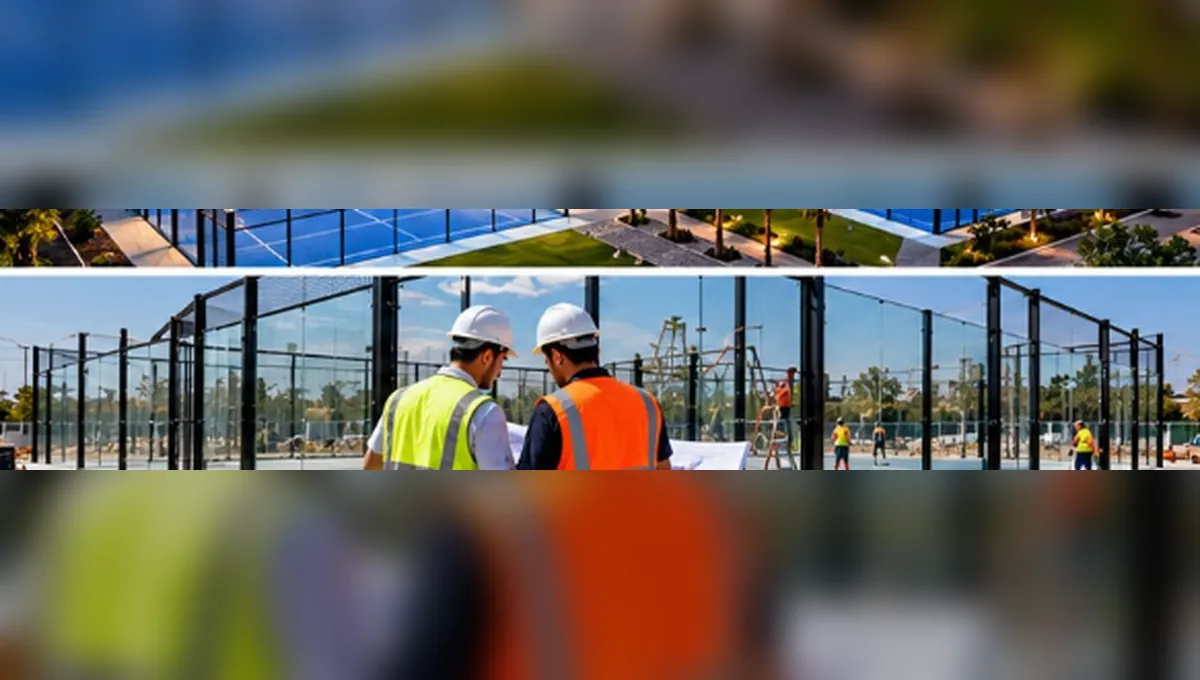
The enclosure needs to be considered alongside the slab, turf, drainage, lighting and access. Small planning errors can lead to water pooling, uneven surfaces, glare or difficult maintenance. Developers should prepare site drawings and confirm tolerances before production and installation. They should also clarify which tasks belong to the supplier, local contractor and venue owner.
Understanding international sourcing
International procurement can widen the range of configurations available, but it introduces questions about shipping, packaging, customs, lead times, installation and local compliance. Buyers exploring padel courts china should request a written scope, component list and technical documentation. A detailed comparison is more useful than comparing only the initial price, because freight, site works and after-sales support affect total cost.
Panoramic courts and event visibility
For venues that host events, panoramic layouts can help spectators see more of the action and create a distinctive visual identity. A full panoramic padel court may suit clubs that prioritise presentation, but it should be evaluated with the same attention to structure, safety and maintainability as any other court type. Sightlines are valuable only when the design is supported by proper engineering and installation.
Indoor and outdoor decisions
Indoor courts can make scheduling less vulnerable to rain and seasonal conditions, but require adequate clear height, ventilation and lighting. Outdoor courts may offer lower building costs and a more open atmosphere, yet drainage, wind exposure, temperature and surface maintenance become important. The best option depends on local climate, land availability, expected demand and the venue’s budget.
Operations determine repeat use
Once a venue opens, booking availability, coaching quality, cleanliness and community programming influence whether players return. Operators can use booking data to identify peak periods and improve court scheduling. Beginner sessions and social leagues help turn initial curiosity into a habit, while tournaments can generate excitement when they are properly managed.
Maintenance protects availability
Routine inspections should cover glass, fixings, mesh, turf, drainage and lighting. A simple log of faults and repairs helps managers spot recurring problems and plan replacements. Spare parts and clear warranty procedures can reduce downtime. Any concern involving structural integrity or damaged glass should be handled promptly by qualified personnel.
What clubs should ask before buying
Ask for specifications, drawings, installation requirements, warranty terms, references where available, spare-part options and a realistic delivery schedule. Confirm how weather, site access and unloading affect the plan. Independent checks may be needed to confirm compliance with local requirements. Clear documentation makes the handover easier and gives operators a practical basis for maintenance.
A foundation for sustainable growth
The global development of padel depends on more than enthusiasm. Accessible programming brings people to the sport, while dependable facilities give them reasons to stay. Careful procurement, suitable design and consistent operations help turn a new court into a lasting part of a local sports community.
Build community around the court
A court becomes more valuable to a local sports scene when it supports a regular programme. Introductory sessions can lower the barrier to entry, while ladders and leagues give returning players a structure. Clubs should collect feedback from different player groups so that programming reflects the community rather than only the most experienced members.
Resilience through clear procedures
Weather, component damage and staff shortages can disrupt operations. A written plan should explain how to cancel bookings, communicate closures, arrange repairs and reopen after checks. Reliable communication protects trust, especially when customers have travelled to play.
Accessibility and inclusive programming
A facility can widen participation by making it easy for people with different experience levels to get started. Clear information about court hire, coaching, equipment and rules helps remove uncertainty. Where possible, routes and amenities should accommodate users with different mobility needs. Clubs can also schedule beginner sessions at times that suit families, students or workers, rather than assuming everyone can attend during peak evening hours.
Planning for future upgrades
Owners should consider which improvements might be added later, such as additional lighting controls, a covered area, seating or another court. Future plans should not delay essential safety or site work, but reserving sensible access routes and service capacity can prevent expensive redesign. Keep drawings and installation records so that any later project starts with accurate information rather than guesswork.
Build a repeatable service standard
A short operating guide can help staff deliver a consistent experience across different shifts. It should cover opening checks, cleaning, booking questions, incident reporting and the process for temporarily closing a court. When the same standards are followed every day, customers are less likely to encounter avoidable differences between visits. Managers can review the guide after incidents or seasonal changes.
Make the opening sustainable
Opening promotions can introduce the sport to a new audience, but the long-term plan should focus on repeat participation. Offer clear information about beginner sessions, group bookings and regular leagues. Review the programme after the first few weeks and keep the activities that generate reliable attendance. A sustainable venue builds habits rather than relying on one launch event.
Conclusion
Padel’s international development relies on facilities that are safe, accessible and built for sustained use. Careful sourcing, appropriate design, dependable maintenance and community programming all contribute to that goal. A well-managed court can support participation long after the initial excitement of opening day.
Editorial word-count check: approximately 1017 words including headings.