
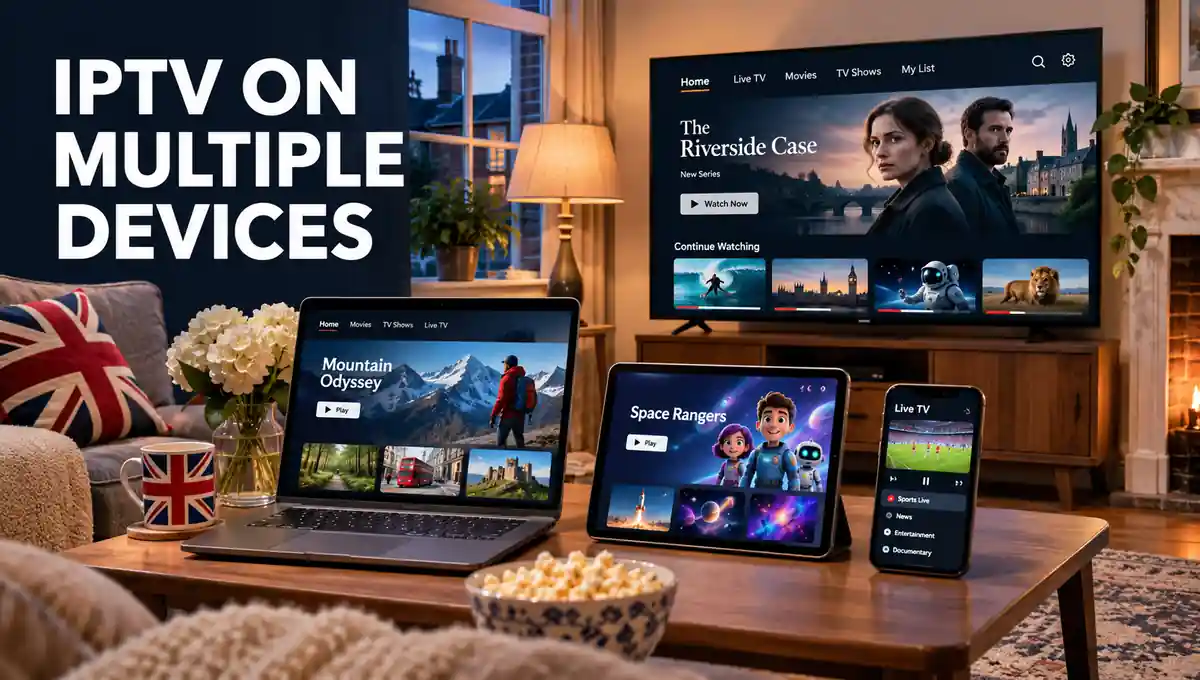
IPTV Subscription for Multiple Devices: What Should UK Customers Compare?
Modern households rarely use just one screen for entertainment. One person may prefer watching television in the living room, while another enjoys using a tablet or smartphone. This is one reason why an iptv subscription is becoming an interesting option for people who want more flexibility in their viewing habits. However, if you plan to use several devices, there are a few important details to understand before choosing a package.
Why Multiple Device Support Matters
Different family members often have different entertainment preferences.
Parents may enjoy watching television in the evening, while children might prefer using a tablet. Other household members may want to watch something on a separate screen.
Internet television can support different devices, depending on the provider’s applications and subscription conditions.
However, supporting multiple devices does not automatically mean that all of them can stream simultaneously.
Registered Devices vs Simultaneous Connections
This is one of the most important differences to understand.
Registered devices refer to the number of devices that can be linked to an account.
Simultaneous connections refer to how many devices can watch content at the same time.
For example, a package might allow an account to be installed on several devices but only permit one active stream.
If multiple family members want to watch different programmes simultaneously, you should check the provider’s connection limits before subscribing.
Standard vs Premium Packages for Multiple Devices
Subscription packages often differ in the features they provide.
A standard package may be suitable for someone who watches television on a single device or has straightforward requirements.
A premium package may offer additional features, potentially including more simultaneous connections or broader device support.
However, these benefits depend on the provider. Always confirm the exact limits before purchasing.
For larger households, a package that supports the required number of simultaneous streams may provide better value.
Which Devices Can You Use?
Many IPTV services support different types of internet-connected devices.
Common examples include:
- Smart TVs.
- Android TV boxes.
- Amazon Fire TV devices.
- Smartphones.
- Tablets.
- Laptops and desktop computers.
Compatibility is not guaranteed across every provider, so check the supported devices and applications.
You should also make sure your device meets the minimum software requirements.
Internet Speed for Multiple Screens
Internet speed becomes especially important when several devices stream at once.
Each active stream uses part of your available broadband capacity. If several people watch high-resolution content simultaneously, a slow connection may struggle to keep up.
This can lead to buffering, reduced picture quality and interruptions.
For a better experience, check your broadband speed and consider using a wired connection for your main television.
It is also useful to remember that other online activities, such as gaming and downloading large files, can affect available bandwidth.
What Else Should You Check?
Device support is important, but it should not be your only consideration.
Before purchasing a subscription, check:
Pricing: Understand the full cost and renewal conditions.
Customer support: Make sure assistance is available if you experience setup problems.
Connection limits: Confirm the number of permitted simultaneous streams.
Streaming quality: Check supported resolutions and broadband requirements.
Content licensing: Ensure the provider has permission to distribute its advertised television content.
These details can help you choose a service that fits your household.
Final Thoughts
An IPTV subscription with multiple device support can be useful for UK households with different viewing preferences. However, the number of supported devices and simultaneous connections should always be checked before purchasing.
Standard packages may suit smaller households, while premium options may provide extra features for people with greater requirements.
Compare the actual package details, understand your internet needs and choose a properly licensed provider. This will help you make a more confident decision and avoid paying for features that are not useful to you.