Is It Bad to Sleep with Earbuds In Every Night? Earwax, Hygiene, and Comfort Habits
Usually it starts with one bad stretch. Your partner’s snoring gets louder over the winter, or a podcast is the only thing that keeps work emails out of your head long enough to drift off. Six months on, the buds go in every night like brushing your teeth, right up until the morning one ear feels stuffed up or the one that spent the night on the pillow is sore when you press it.
So is it bad to sleep with earbuds in every night? For healthy adult ears, mostly no, provided you keep the volume down, wipe the tips every morning, and don’t have anything digging into your ear when you lie on it. Below, we’ll walk you through what nightly wear does to earwax and ear hygiene, plus the comfort habits that help side sleepers.
What Eight Hours of Earbuds Does to Your Ear Canal
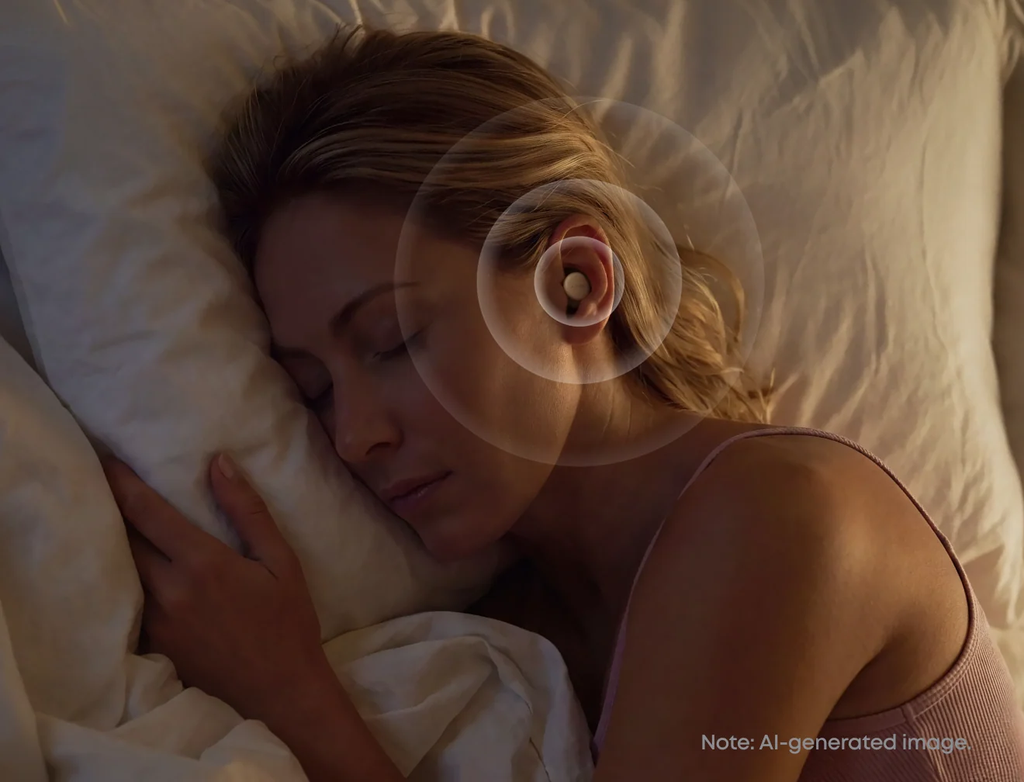
Wear earbuds at your desk, then again in bed, and your ear canals hardly get any air between the two. The skin in there is thin. Seal the opening with silicone for seven or eight hours and the heat and sweat your head gives off overnight stay put. Hop into bed straight out of a late shower and you’ve added water too, and that warm, damp canal is where swimmer’s ear (an outer ear infection) tends to get going.
A single night rarely causes trouble on its own. Trouble comes from a slightly damp canal meeting a tip nobody has wiped since last Sunday, night after night for weeks. Anyone typing is it bad to sleep with AirPods in into a search bar is really asking the same question, since the seal and the hours do the damage, not the brand on the case.
Then there’s volume, which nobody keeps an eye on once they’re asleep. Hearing damage comes from loud sound, around 85 dBA and up, kept going for hours, and a playlist that runs till sunrise is about as many hours as you’ll ever give it. Turn it to half or lower, set the sleep timer for 30 or 45 minutes, and you’ve dealt with most of that.
Why Nightly Earbuds Can Lead to Earwax Buildup
All that warmth is also why the tips look grubby by Friday. The wax on them has a job, though. Ear doctors call earwax self-cleaning, since chewing and talking nudge old wax from deep in the canal out to the opening, where it dries up and drops out without any help from you. Park an earbud in that opening every night and you slow the whole thing down. Jam it in for a tighter seal and some wax can get pushed back toward the eardrum, the same thing ENTs see with cotton swabs.
Wax piles up over weeks, so there’s no day you can point to. Somebody yawns and one ear stays plugged, or a friend on speakerphone sounds like they’re underwater in the left ear only, and that’s the hint. Ear doctors put that plugged feeling and the muffling on their list of earwax symptoms, with ringing and earache. If that’s you, leave the buds in the case at night until someone has looked in your ears, and if there’s pain, discharge or your hearing suddenly changes, call that day.
Got waxy ears? Then look at how the tips come off before you look at much else, because fiddly tips don’t get cleaned. Comfort is still on the list when you compare the best earbuds for sleeping, but for you cleaning sits right up there with it. The tips that stay clean are the ones you can pull off with two fingers on a Tuesday morning before coffee.
A Five-Minute Cleaning Routine for Tips, Wings, and the Case
Once a week is what most people hear for cleaning earbuds. A pair that lives in your ears every night needs a quick morning wipe as well, or the gunk builds faster than that. Here’s how we’d split it:
| When | What to do |
| Every morning | Dry lint-free cloth over the tips and nozzle, then a few minutes on the nightstand before the buds go back in the case |
| Once a week | Silicone tips off, warm water with a drop of dish soap, dried completely; foam tips just wiped |
| Every week or two | Soft brush around the two cups in the charging case, where wax rubs off the tips |
| Late-shower nights | Twenty minutes or so for your ears to dry before anything goes in |
Alcohol wipes are the one thing to hold off on until you’ve read the care guide, because some meshes and coatings react badly to liquid.
How to Stop Side-Sleep Pressure From Turning Into Soreness
Clean tips won’t help much if the ear on the pillow is sore by 4 a.m. Side sleepers, press around a little and find where it actually hurts. Sore on the cartilage around the opening? That’s usually the housing sticking out far enough for the pillow to lean on it. An ache deeper in the canal is more likely the tip, either a size too big or pushed in further than it needs to go.
If it’s the canal, go down a tip size and stop pushing the moment you feel it seal, rather than twisting the bud in as far as it’ll go. If it’s the outer ear, look at the wing or the pillow; a smaller wing or a flatter pillow costs next to nothing. Give each change about three nights. Night one on anything new feels weird.
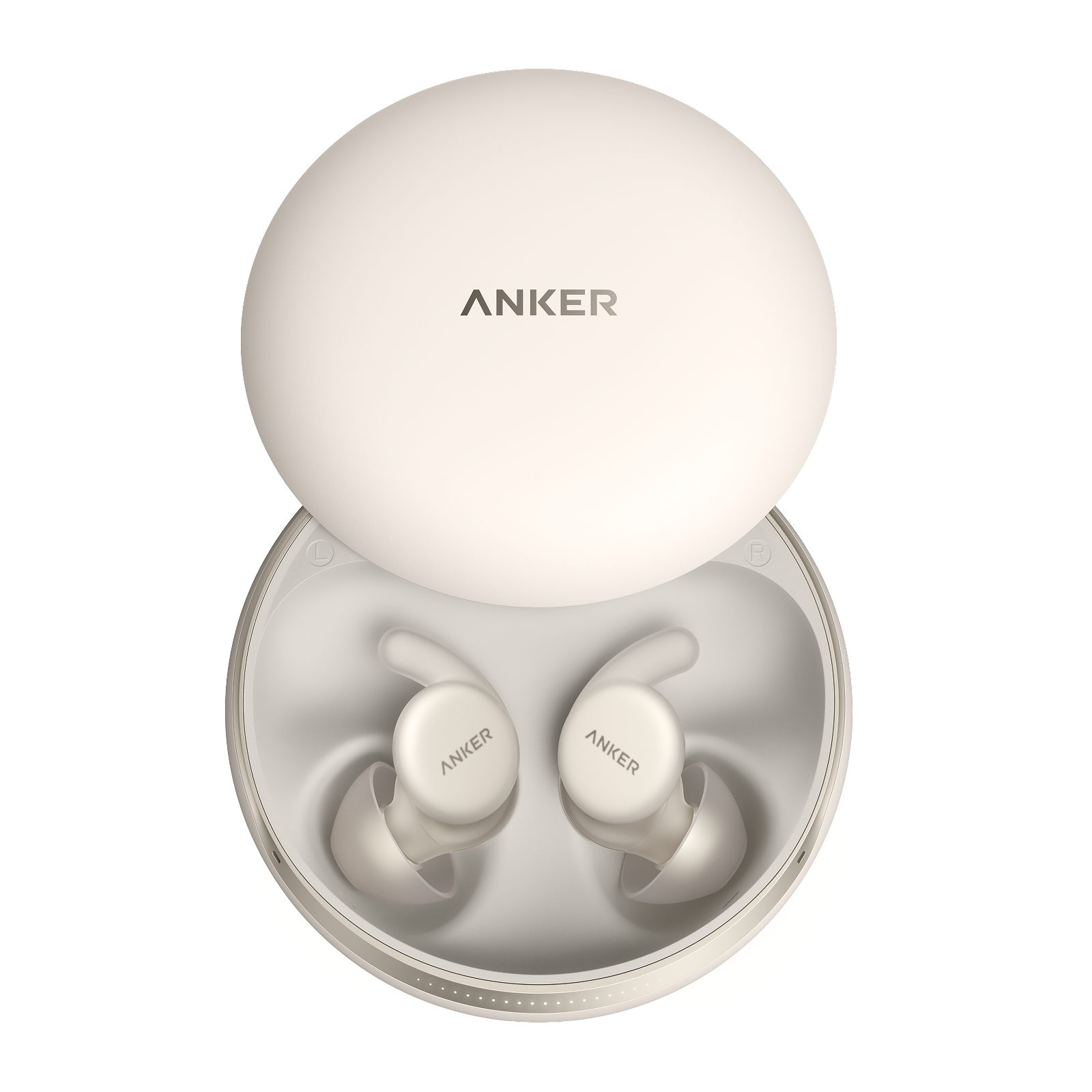
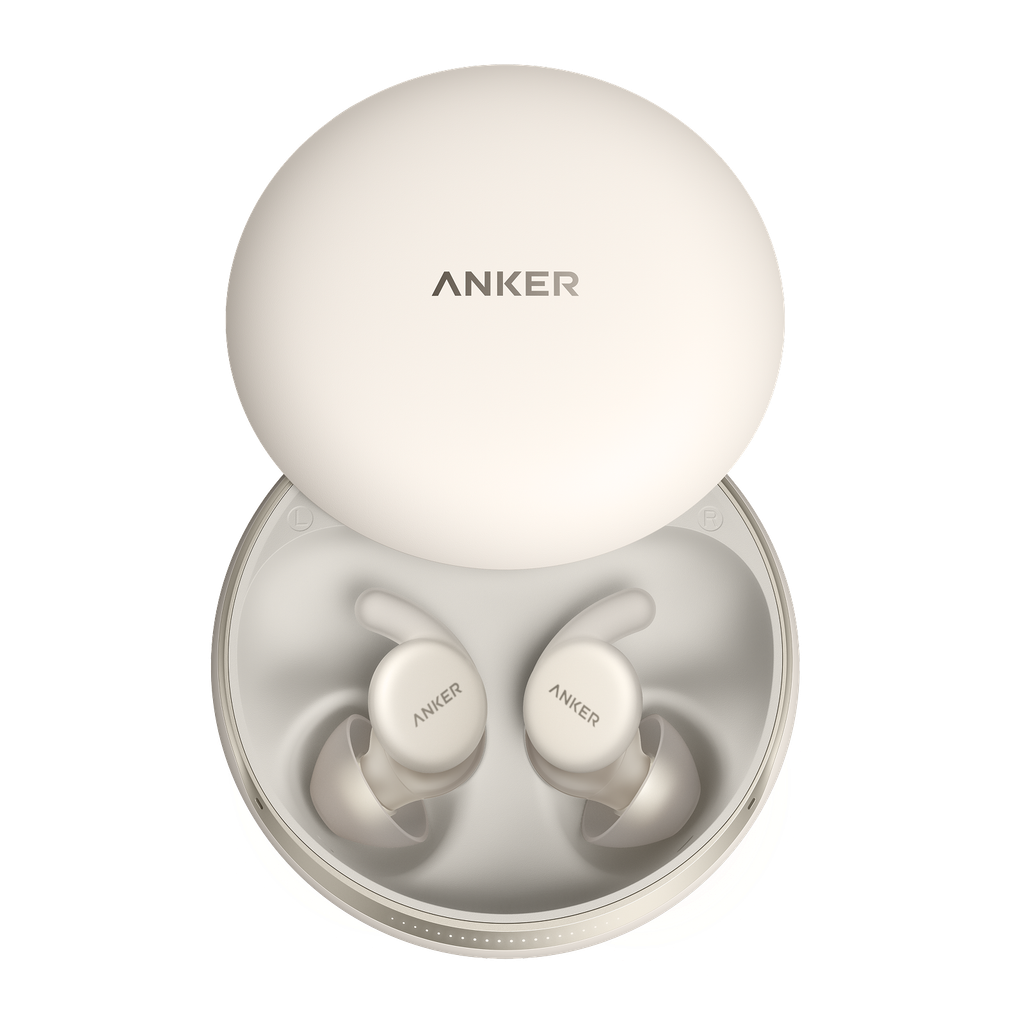
Sleep earbuds with a wide spread of sizes make this trial and error easier. Anker soundcore Sleep Earbuds 4 comes with 7 pairs of silicone and memory-foam ear tips and 3 pairs of ear wings, which leaves room to try smaller pairings before deciding in-ear sleep isn’t for you. Its layered ergonomic design is shaped to avoid common pressure points in the ear. Most regular ANC earbuds are built for commuting and office use, and some have a chunkier shell that a pillow will press on. A sleep headband skips the canal entirely by putting a flat speaker against the outer ear.
Which Sleep Audio Setup Fits Your Ears and Bedroom
Pick the row closest to your nights.
| Your situation | Setup to consider | Why it fits |
| Earwax builds up quickly | Sleep earbuds with removable, washable tips, plus a few nights off each week | Fewer hours with the canal sealed |
| Prone to outer ear infections | Sleep headband or bedside speaker | The canal stays open and dry |
| Partner snores | ANC sleep earbuds with low-level masking sound | ANC lowers the steady drone and masking covers the peaks |
| Side sleeper | Low-profile sleep earbuds with small tips and wings | Less for the pillow to push on |
| Only want background noise | Bedside speaker | Nothing in or on the ear |
Snoring is where ANC earns its spot. A light sleeper can often run quieter audio with noise cancelling headphones for sleeping than with a white-noise track cranked up loud enough to bury a snore, and if you fit two rows, go with the ear-health one.
Conclusion
Ask an audiologist whether it’s OK to sleep with earbuds in and you’ll probably hear that it depends on how you use them. For adults with healthy ears, most of the risk goes away with half volume or lower, a timer, a morning wipe of the tips, and ears that are dry when you get into bed.
If something feels a bit off, change one small thing, say a smaller tip, or try a few nights with a speaker. Pain, discharge or a change in your hearing is another story: the earbuds stay out at night until a doctor has had a look.
FAQ
Can kids or teens safely fall asleep with earbuds in?
Yes, for most teens, with the volume kept low and tips small enough for their ear canals. Little kids are another matter since they often won’t mention a sore ear until it has bothered them for days, and a pediatrician should weigh in before they wear earbuds to bed. A bedside speaker covers the white noise in the meantime.
Should you sleep with earbuds if you already have an ear infection?
No. Swimmer’s ear likes moisture, and a sealed tip keeps an infected canal damp till morning. Play your sleep sounds on a speaker until the doctor says you’re clear, and before the tips go back in, give them a proper wash or spend a few dollars on new ones.
Do earwax softening drops interfere with wearing earbuds overnight?
They can. The drops are meant to sit in the canal and soak into the wax, and a bud pushed in on top mostly just gets an oily coat, mesh and all. On drop nights, skip the earbuds and go by the timing on the box or whatever your doctor told you.
Is it better to wear one earbud or two when sleeping?
Lots of side sleepers wear one, in whichever ear is facing the ceiling, so there’s nothing in the ear on the pillow. Two do more against a snoring partner. If you go with one, switch sides each night and each canal gets every other night off.
How often should you replace foam ear tips used every night?
There’s no set schedule, but foam you wear nightly usually looks tired within a few months. Squeeze one. If it pops straight back instead of slowly expanding, or it’s still discolored after a wipe, swap it, because worn foam holds onto dirt and stops sealing well.